Keep the Door Locked Camera and Door Decisions
The knock creates pressure; the camera gives you time and evidence.
The camera is your first answer
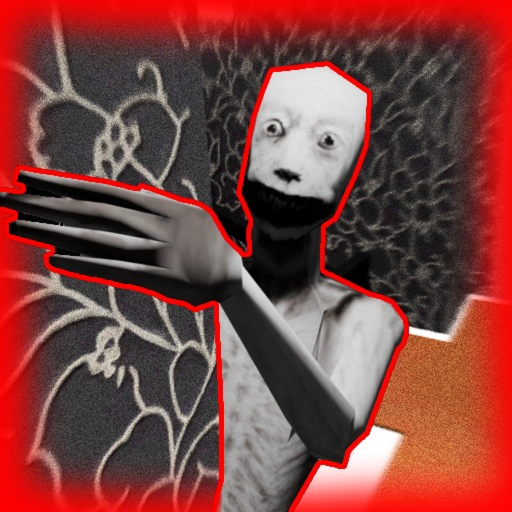
A stranger knocking at the hotel-room door is the central decision in Keep the Door Locked. The game creates urgency through sound and timing, but urgency is not proof that a visitor should enter. Before interacting with the door, use the camera or available viewing method. This is not merely a role-playing preference: the official premise explicitly includes watching cameras and deciding who enters.
Approach every knock with the same sequence. Stop moving. Check the camera. Look at the person in the hall and the details around them. Listen to their claim, if one is given. Compare the claim to the image. Then decide. Repeating this sequence lets you notice inconsistencies instead of reacting to one dramatic line.
What to look for on the camera
Do not reduce a camera check to “someone is there.” Look for appearance, behavior, position, and timing. Does the visitor look like what they claim to be? Are they acting in a way that fits a normal request? Does the hallway image contain something that should not be there? A mismatch is useful evidence, even if you do not yet know the game’s exact response rule.
Badge evidence confirms several special threats but not every visual tell. The door breaker linked to Door Held, for example, is a reason to take a forceful or unusual door situation seriously. The shadow figure linked to Not Today is a reason to scan the room as well as the hall. Avoid inventing a catalogue of guaranteed models or voice lines; updates and hidden mechanics can change presentation. The dependable habit is looking for what changed from the normal room state.
Separate evidence from emotion
A visitor may sound frightened, polite, convincing, or impatient. None of those qualities alone make opening safe. The game is designed around the choice of who gets in, so emotional pressure can be part of the challenge. Let the camera check decide whether you have enough information.
When you do not, choose caution. Keeping the door closed or waiting for more information is usually more reversible than opening it. This is especially valuable during a survival run for the 10-day ending. You can use a later, dedicated experiment to investigate a suspicious visitor, but a lost ten-day run does not explain which choice caused the loss.
Door use is not always a simple open button
Normal visitor decisions may be about opening or refusing, but the Door Held badge proves at least one encounter involves surviving a door breaker. If a threatening sequence begins, do not assume that standing back and waiting is correct. Read the current on-screen prompt, keep your view on the door, and give the active event your full attention. Survive the Door Breaker covers the conservative response principle for that badge-supported encounter.
Practice finding the door interaction in a low-pressure moment. Learn where the prompt appears, whether it requires a press or hold, and what confirmation looks like after an action. This turns a crisis interaction into a familiar movement. Controls explains why this practice matters on keyboard, touch, and controller layouts.
Maintain room awareness
The camera is powerful, but it should not make you forget the room. A change at the window, toilet, or a hidden figure may matter while you are deciding what to do about the hall. The Three Strikes and Flush of Fear badges both suggest anomaly stages, so check whether a room object has progressed before assuming the knock is your only concern.
Do not try to solve everything at once. If an active threat has a clear prompt, resolve it first. If you are on a dedicated anomaly run, document the visitor situation and return to the object after the immediate pressure is gone. Rules Explained gives a framework for this priority system, while Sanity Guide explains why stacking unknown events is risky.
A decision tree that stays honest
Use this simple, evidence-based tree:
- A knock or request happens: inspect the camera.
- The image and claim are normal enough: make the lowest-risk response you have learned through play.
- The image and claim conflict: do not open merely to satisfy curiosity.
- The door becomes an immediate physical threat: focus on the door prompt and survival.
- A room anomaly is active too: postpone optional investigation until the active threat is stable.
- You survive: remember the details for the next run.
This is not a hidden “correct answer” table. It is a method that remains useful when a visitor is unfamiliar. That distinction matters because the game’s mystery works best when not every event is reduced to a spoiler list.
Use controlled runs for risky choices
When you want to explore an alternative, enter the run with a single question: what happens if I respond differently to this one visitor? Check the camera as usual, change only the response you are testing, and note the outcome. Do not also advance the toilet anomaly or hunt the golden skeleton. A controlled run reveals more than a chaotic one.
The same method supports the ending routes. Grandma Key Ending concerns accepting a strange key from a strange grandma, while Golden Skeleton Ending concerns a separate discovery. Treat either decision as its own objective, not as a reason to abandon basic camera discipline.
Final habit
A knock is a question, not an instruction. Look through the camera, compare evidence, act deliberately, and protect your run. That habit is the most transferable skill in Keep the Door Locked and the safest way to learn any visitor the game has not fully documented.
Frequently Asked Questions
Quick answers about the hotel room, visitors, and endings.
Should I check the camera every time someone knocks?
Yes, when the situation allows it. The camera is the main evidence tool before making a door decision.
What should I do if the camera image looks wrong?
Treat the mismatch as meaningful and avoid opening merely because the visitor pressures you. Test risky alternatives on a separate run.
Can the door itself become a threat?
Yes. The Door Held badge confirms a door-breaker survival encounter, so follow the current door prompt during that event.