Keep the Door Locked Anomalies
A practical field guide to threats, visitors, cameras, and the decisions that keep a run alive.
Read the room before the door
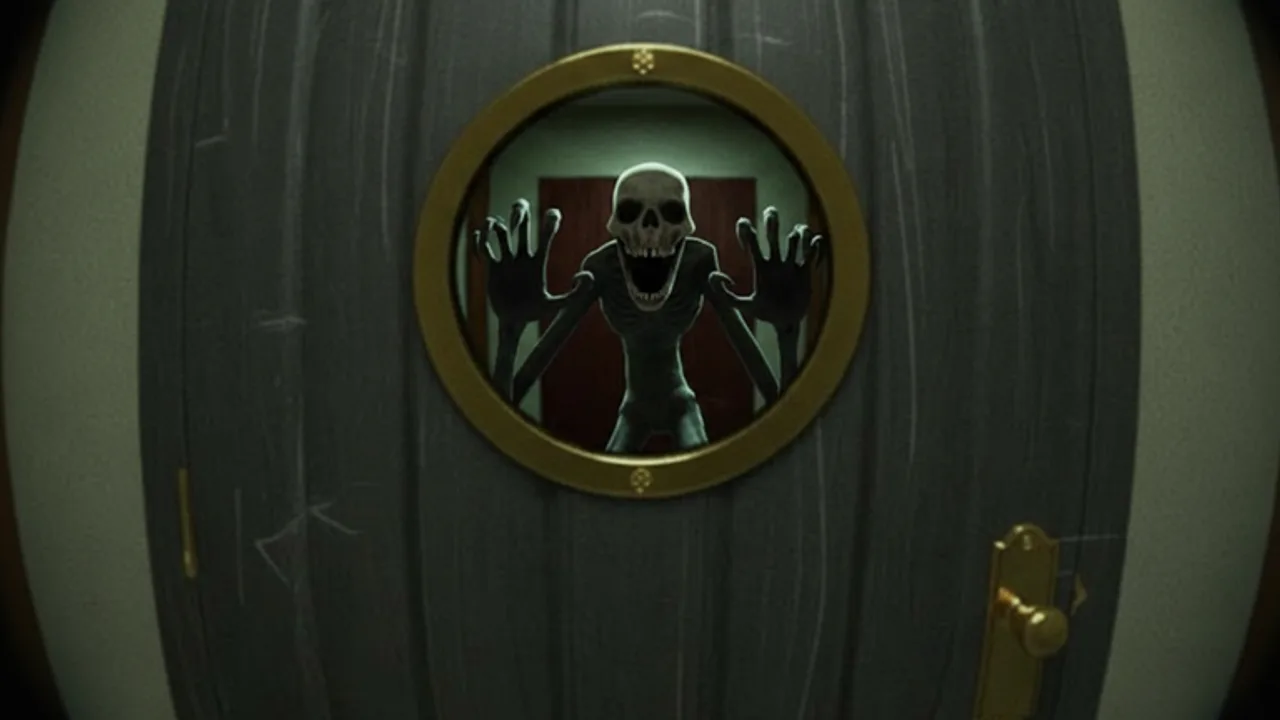
In Keep the Door Locked, the hotel room is not a safe pause between events. Cameras, rules, strange sounds, the window, and anyone outside the door can all demand attention. The useful question is rarely “what enemy is this?” Instead, ask what has changed, whether it is escalating, and whether opening the door creates a bigger risk than waiting. This hub collects the known anomaly and visitor pages so a player can recognize a situation before a decision becomes permanent.
Start with the complete all anomalies reference. It groups the confirmed room threats: the staged window anomaly, toilet anomaly, room hider, door breaker, and shadow figure. Each has a different kind of pressure. Some ask you to notice a visual change through the cameras, while others make the doorway itself unsafe. Use the anomaly checklist during a run if you want a repeatable way to log what you saw instead of relying on a hurried memory.
Confirmed room threats
The window anomaly is especially important because it has stages. A window that looks only slightly wrong may be a warning rather than the final state, so return to the camera view and compare it with the earlier scene. The toilet anomaly belongs in the same category of close-room checks: do not treat a familiar fixture as background decoration when the rules are telling you to observe the room.
Other threats turn your attention toward concealment and access. Read the room hider guide when the room itself feels occupied, and consult the door breaker page before assuming a locked door ends the encounter. The shadow figure guide covers another confirmed threat whose value is in early recognition rather than a reckless confrontation. The threat ranking compares these dangers by how hard they are to identify, how urgently they demand action, and how badly a wrong door decision can affect a run.
Visitors are decisions, not a single category
Not everything at the door is simply hostile. The visitors guide covers the strange grandma, a kindness reward visitor, pizza rat with a baseball bat, the Dream Room, and the Juan and dog easter eggs. These encounters make the rules harder to reduce to one command because trust can be rewarded, yet an apparently ordinary visitor can still be part of a danger pattern. The visitor trust ranking is a useful comparison page, but it is not a substitute for what the current room and cameras show you.
The strange grandma matters for progression: official badges connect her to the key required for Ending 3. That does not mean every door interaction should be treated as a route to that ending. Record what happened and use the ending tracker to separate an observed requirement from an assumption. The same principle applies to the Dream Room and easter eggs; they are known parts of the game, but a guide should never turn a sighting into a guaranteed trigger without evidence.
Build a dependable routine
A strong basic loop is simple. First, check the cameras and scan the window, toilet, doorway, and room for a difference. Second, compare that change to the known threat pages. Third, decide whether the door rule and the visible evidence agree. Finally, update your notes, sanity state, and Blood Money progress before moving on. Sanity is a system to watch, not a decorative meter, and Blood Money is a named currency goal, so both belong in your run review.
For a first-session route, use the getting started guide alongside this hub. For more deliberate practice, open the badge tracker and mark only badges you have actually earned. The goal is not to memorize horror labels; it is to make calm, evidence-based choices in a room designed to make you rush.
Related pages
Frequently Asked Questions
Quick answers about the hotel room, visitors, and endings.
How many confirmed room anomalies are documented?
This hub documents the window anomaly, toilet anomaly, room hider, door breaker, and shadow figure as confirmed threats.
Should I open the door for every visitor?
No. Visitors require context from the room, cameras, and rules; some are tied to rewards or progression, but trust should not be automatic.
Where can I track a staged anomaly?
Use the anomaly checklist to log what you saw, when it changed, and whether you checked the cameras again.