
Keep the Door Locked Strange Grandma Key Ending
Accepting a strange key matters; learn how to protect the choice without inventing missing prerequisites.
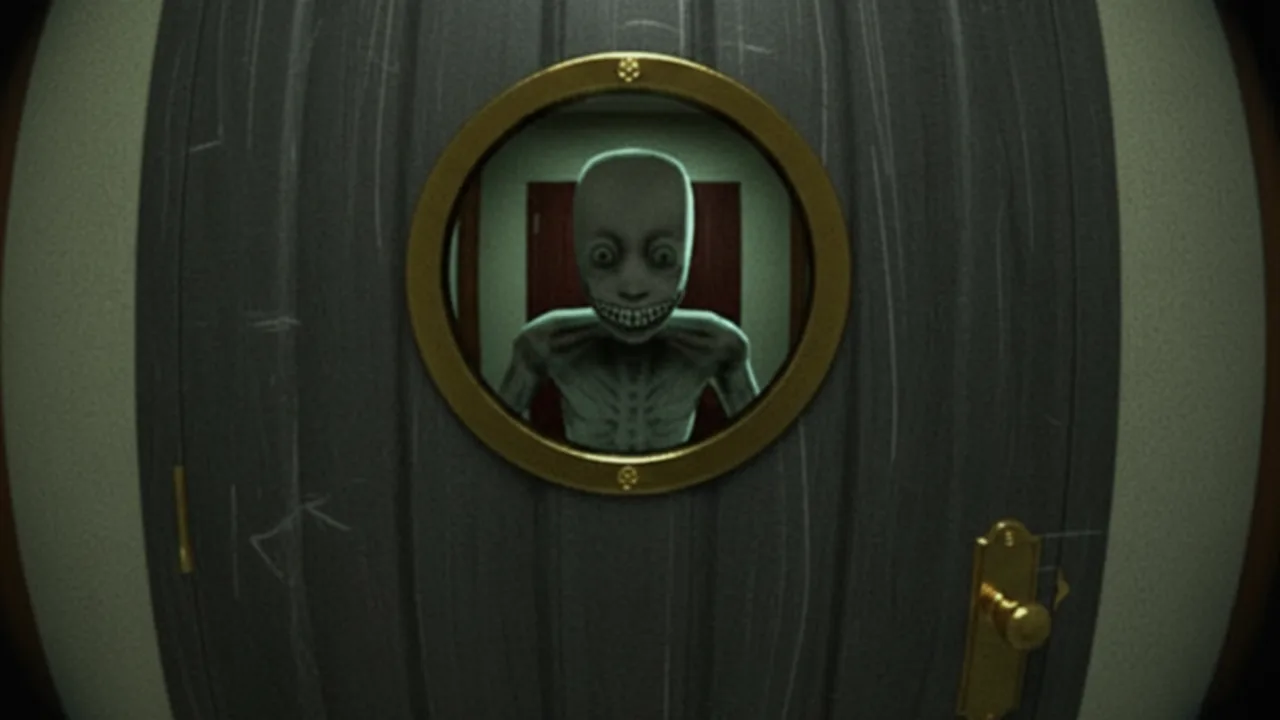
The core ending clue
The strange-grandma ending has one unusually direct piece of evidence: accepting a strange key from a strange grandma is associated with the ending. That tells you the crucial decision, but it does not automatically reveal every condition around it. We do not have a verified universal day, appearance rate, dialogue tree, money requirement, or list of prior choices that guarantees her arrival. Treat the key as a real route trigger and every extra claim as a hypothesis until you reproduce it.
This is a game about who you let into your room, so the grandma event should not make you abandon your normal judgment. The point is not to open the door for every visitor in hopes of finding her. Use the camera and situation evidence first, then make the key decision deliberately when the actual event appears.
Prepare a clean route attempt
Start with a stable survival routine. Learn How to Play, locate the relevant prompts through Controls, and practice checking the camera through Camera and Door Decisions. You want to recognize when an encounter differs from the normal visitor flow, not stumble into a major decision while still learning the room.
Choose a single objective for the run: preserve and accept the strange key. Do not simultaneously test the golden skeleton, force the window to stage 3, advance the toilet anomaly, or attempt a high-money challenge. The Three Strikes, Flush of Fear, and Blood Money badges are real clues, but they do not prove any connection to the grandma-key ending.
Recognize the decision point
When the strange grandma appears, slow down. Confirm what is being offered and read the dialogue or prompt in full. The key itself is the evidence-backed condition, so do not click through the exchange without understanding whether you accepted, refused, or interrupted it. If your device uses a hold interaction or a confirmation prompt, wait for visual confirmation that the choice registered.
A safe route note should record what happened immediately beforehand: the day or room state, camera view, dialogue wording, decision you selected, and any new item or transition. This lets you distinguish “I saw a grandma” from “I accepted the strange key and the route progressed.” Those are not the same result.
Do not replace observation with trust
A friendly or vulnerable visitor may still demand a careful camera check. Conversely, a strange appearance does not prove that every similar visitor is the key event. The game’s premise rewards comparing what you see with what you are told. Do not use this ending guide as permission to ignore Rules Explained.
If the choice is clearly the key offer, accept it for this route. If it is merely an unknown visitor, avoid inventing an association. A controlled second attempt is better than losing a run because you opened the door for a lookalike or rumor.
Keep active threats ahead of endings
The key route does not override immediate survival. If the door breaker is attacking, defend the door as described in Survive the Door Breaker. If a shadow figure requires attention, prioritize the banish response in Banish the Shadow Figure. If your sanity is becoming unstable, simplify the run according to Sanity Guide.
A route may require you to live long enough for a later transition, so preserving the key is not useful if you take an avoidable loss immediately afterward. Once you accept it, return to the normal room loop: scan the environment, handle the next prompt, and record any new changes instead of assuming the ending has already completed.
Test possible prerequisites honestly
If accepting the key does not immediately produce an ending, do not conclude the clue was false. It may indicate that a transition, survival condition, or prior state is involved. Test one possibility per run. Keep the visitor pattern the same and vary whether you accepted the key. On another run, keep the key choice fixed and vary only the room state you observed beforehand. This slowly separates a prerequisite from coincidence.
Avoid borrowing claims from unrelated games or creators. Keep the Door Locked is not DOORS, and a generic “grandma key guide” can easily mix in mechanics from something else. Only record facts you can see in this game.
Compare the other endings
The golden skeleton is a separate known ending goal and belongs in Golden Skeleton Ending. The ten-day survival ending is a different long-term objective. The dream room may be a notable state, but Dream Room should be treated separately until a repeatable connection is demonstrated.
The best current grandma-key strategy is straightforward: maintain careful camera habits, identify the actual strange-key offer, accept it deliberately, survive the next events, and take precise notes. The badge and description evidence give us the important choice; disciplined testing is how players discover the remaining route without turning speculation into false advice.
Frequently Asked Questions
Quick answers about the hotel room, visitors, and endings.
How do I get the strange grandma ending?
The confirmed key action is accepting the strange key offered by the strange grandma. Any additional prerequisites need repeatable in-game verification.
Should I open the door for every grandma-like visitor?
No. Continue using the camera and evidence. Only accept the key when the actual event and prompt make the choice clear.
Is the grandma key the same as the golden skeleton ending?
They are listed as separate ending goals. Treat them as different routes unless you can verify an overlap.