Keep the Door Locked Window Anomaly Stages
Track changes at the window before they are lost among the room’s other warnings.
Why the window needs repeat checks
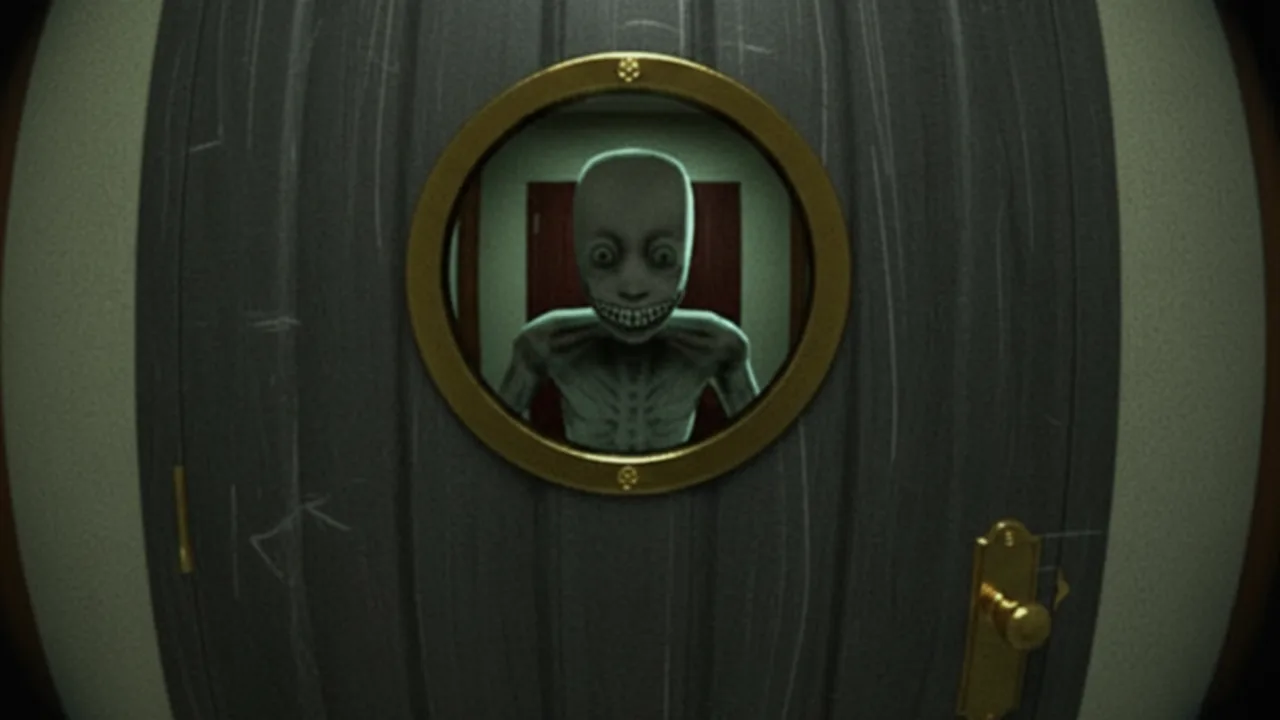
The window anomaly is a confirmed threat in Keep the Door Locked, and official game information confirms that it has stages. That is the reliable starting point. Do not turn that fact into an invented stage count, a scripted timetable, or a guaranteed outcome. What matters in a live run is noticing that the current view differs from the earlier one and giving the change enough attention before deciding what to do at the door.
A good routine begins with a baseline. On an early camera check, look at the window deliberately and remember its overall shape, light, and surroundings. On later checks, compare rather than merely glance. If something looks different, write down the observation in the anomaly checklist: the day or moment, what changed, whether you checked again, and what else was occurring. This prevents a common mistake: mixing up a real progression with an image you only half-saw while responding to a visitor.
A practical staged-anomaly loop
- Check the camera before a door decision when possible.
- Compare the window with the last confirmed normal or changed state.
- Recheck a suspicious difference instead of immediately declaring a new stage.
- Scan the toilet, doorway, and room as well; more than one concern can compete for attention.
- Record the result, then act according to the current rules and evidence.
This loop is deliberately conservative. The game is about survival under uncertainty, not about winning a speed test. A camera comparison can be more useful than a dramatic reaction. If another event interrupts you, return to the window later rather than relying on a vague memory.
Keep door context separate
The window anomaly does not make every visitor harmless or hostile. A strange grandma, kindness reward visitor, pizza rat with a baseball bat, and other known encounters belong to the visitors guide. Treat the window as one evidence source and the doorway as another. The visitor trust ranking can help organize what is known, but it cannot replace the camera state in front of you.
Likewise, do not ignore the other confirmed threats while tracking stages. The toilet anomaly can hide in a familiar fixture; the room hider changes how you read the room; the door breaker makes the entrance itself urgent; and the shadow figure demands visual identification. The all anomalies guide is the best reset page when too many signals are competing.
Progress without overclaiming
Surviving longer supports progress toward the 10 days and golden skeleton endings, while the strange grandma is connected to a key for Ending 3. Those are separate progression goals, not proof that a window stage unlocks an ending. Track confirmed ending progress with the ending tracker and badges with the badge tracker. Keep an eye on sanity and the Blood Money goal as part of the whole run review.
If you are new, read hotel survival basics first. If you are comparing pressure rather than studying visuals, see the threat ranking. The best window-anomaly habit is simple: observe, compare, verify, and avoid treating an uncertain sighting as a fact.
Stage discipline
Treat stage three as a deliberate check, not a reflex. Cross-reference with All Anomalies and only schedule Three Strikes attempts when your door routine is already stable for the night and your sanity is still manageable.
Frequently Asked Questions
Quick answers about the hotel room, visitors, and endings.
Does the window anomaly have stages?
Yes. It is confirmed to have stages, but this guide does not invent an unverified number or trigger order.
How should I track a suspected stage?
Record the camera view, the change you noticed, and a later verification in the anomaly checklist.
Should I focus only on the window?
No. Continue checking the doorway, room, toilet, sanity, and other threat signals.
Why is an earlier camera view valuable?
The window anomaly has stages, so an earlier confirmed view gives you a meaningful comparison point when the next camera check looks different.