
Keep the Door Locked Room Hider Guide
When the room feels occupied, observation matters before the next door decision.
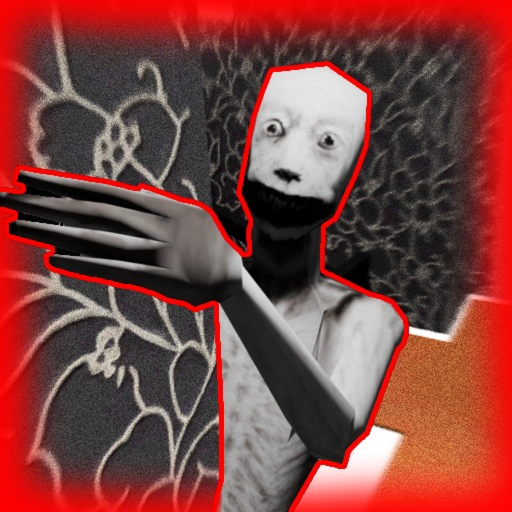
The room is part of the threat
The room hider is a confirmed threat in Keep the Door Locked. Unlike a problem that is limited to the doorway, this anomaly changes how you should read the space you are already standing in. Cameras, rules, and door decisions still matter, but a player who watches only for visitors can miss a signal that the room itself is no longer behaving normally.
Start with a deliberate visual sweep. Check the usual visible areas, compare them to an earlier camera view, and identify what specifically seems different. Do not replace a real observation with a vague feeling that “someone is here.” A useful note in the anomaly checklist records the location, the visible clue, the time in the run, and whether you verified it on another check. That note is valuable when you later try to distinguish a room hider from a shadow, a camera angle, or a door event.
Do not let the door erase the room
Visitors create urgency. The strange grandma can be connected to the Ending 3 key, a kindness reward visitor may reward a different choice, and pizza rat is known with a baseball bat. However, an interruption outside the door is not permission to abandon a suspicious room state. Review the visitors guide and the visitor trust ranking between runs so that you can keep visitor knowledge separate from what the room shows now.
The room hider also belongs beside the other confirmed threats. The staged window anomaly requires comparisons over time. The toilet anomaly rewards checking a familiar fixture. The door breaker makes the entrance itself a threat, and the shadow figure asks you to identify a visual presence. The all anomalies guide gives the complete reference when several possibilities overlap.
Make decisions from evidence
There is no need to invent a combat sequence, a hiding location, or a guaranteed door response for the room hider. The official facts establish the threat, while the game’s core loop establishes the method: watch cameras, follow rules, and make door decisions. Follow the evidence available in your current run. If the room hider is suspected, recheck visible areas before a hurried action when the situation allows it; if the door is already the direct danger, account for that urgency too.
Sanity should remain part of the review because it is a named system, and Blood Money is a named currency goal. After a tense encounter, record what you saw and whether the event affected survival, sanity management, or your route. Use the badge tracker only for badges actually earned, and the ending tracker only for confirmed ending milestones. The known endings are tied to 10 days, golden skeleton, and the grandma key; this guide does not claim the room hider unlocks any one of them.
For a first-run routine, start with hotel survival basics. For a comparison of how much pressure each confirmed threat creates, use the threat ranking. The reliable room-hider habit is to keep scanning the room even when the door tries to steal all of your attention.
Frequently Asked Questions
Quick answers about the hotel room, visitors, and endings.
Is the room hider a confirmed threat?
Yes. It is included among the game’s confirmed anomalies.
How do I avoid confusing it with another threat?
Use a fixed room sweep and record concrete visible clues before concluding what you saw.
Should I ignore a visitor while checking the room?
No. Balance the current doorway pressure with the room evidence rather than treating either source as irrelevant.
What makes a room-hider note useful later?
Write the exact area you checked, the visual clue that concerned you, what the previous camera view showed, and whether a second check supported the sighting. Also write down what was happening at the door. This lets you compare real observations across runs instead of retroactively deciding that every uncertain shape was the same threat.